
Sun exposure can make recently treated skin more vulnerable to redness, irritation, burns, and changes in pigmentation. After receiving laser hair removal in Toronto, it is important to protect the area from tanning and direct sunlight for the period recommended by your technician. At our laser clinic, we assess recent sun exposure, skin tone, treatment area, and planned outdoor activities before selecting appropriate settings and providing personalized aftercare instructions.
Why Is Skin More Sensitive After Laser Hair Removal?
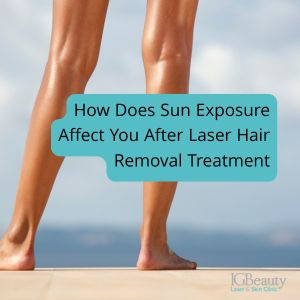 Laser hair removal works by directing light energy toward pigment in the hair follicle. The absorbed energy is converted into heat, which affects the follicle and helps reduce future hair growth.
Temporary redness, warmth, or small bumps around the follicles can occur after treatment. These effects usually settle, but the skin should be treated carefully while it recovers. Adding strong ultraviolet exposure during this period may increase irritation and make the treated skin more likely to develop uneven pigmentation.
Can a Tan Affect Your Next Treatment?
Yes. A tan increases the amount of melanin in the skin. Because laser hair removal targets pigment, recent tanning can change how the skin responds to the laser.
This does not mean the same decision applies to every person or device. At IGBeauty, we use professional systems including the Candela GentleMax Pro and Lumenis LightSheer Duet. Available wavelengths include Alexandrite, Nd, and diode laser technology. The appropriate device and settings depend on factors such as skin tone, hair colour, hair thickness, treatment location, and recent sun exposure.
Always disclose natural tanning, tanning-bed use, self-tanner, sunburn, or prolonged outdoor exposure before your appointment. Your technician may need to reassess the area or adjust the treatment plan.
How Should You Protect Treated Skin?
Follow the instructions provided for your treatment area. General precautions may include:
- Avoid intentional tanning and tanning beds.
- Limit unnecessary direct sunlight on the treated area.
- Cover exposed skin with suitable clothing where practical.
- Apply a broad-spectrum sunscreen with an SPF of 30 or higher when the area is exposed.
- Reapply sunscreen according to the product directions.
- Avoid applying harsh exfoliants or irritating products until the skin has settled.
- Do not pick, scratch, or aggressively scrub temporary redness or bumps.
Our guide to caring for your skin after laser hair removal provides more information about protecting the treatment area between appointments.
What If You Develop a Sunburn Before Your Appointment?
Contact the clinic before arriving. Treating sunburned, inflamed, or recently tanned skin may increase the risk of an unwanted reaction. It is better to have the area assessed than to hide recent exposure or assume the treatment can proceed unchanged.
You should also let your technician know about changes in medications, topical products, skin sensitivity, or health conditions before the session. Some medications and skin care ingredients can increase photosensitivity.
Can You Have Laser Hair Removal During the Summer?
Laser hair removal can be planned during warmer months, but it requires careful sun protection. Covered areas may be easier to manage than areas that receive frequent exposure, such as the lower legs, arms, or face.
Get Insight with Our Laser Hair Removal Experts in Toronto
A consultation at our skin care clinic can help you plan appointments around travel, outdoor work, sports, or other activities. We can also explain how to prepare the skin and what precautions are appropriate for the area being treated.
The safest approach is not to follow a universal countdown found online. Follow the instructions given for your skin, laser settings, and treatment area. If you are considering laser hair removal in Toronto and expect significant sun exposure, tell us during your consultation so we can build that information into your treatment plan. Our laser clinic and skin care clinic team can help you pursue long-term hair reduction while protecting the health and appearance of your skin.
